By Pauline Akinyi Odhiambo
Introduction
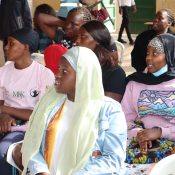
Over 60% of Nairobi’s population lives in informal settlements, which occupy only 6% of the city’s residential land area. The high population density in these settlements makes it difficult to plan and provide adequate resources, healthcare services, housing, and employment opportunities. Many informal settlements also lack basic municipal services such as clean water, sanitation, and proper waste collection.
Population growth is the continuous increase in the number of people living in a particular area. It is measured by the balance of births, deaths, and net migration over time. The rapid growth of informal settlements accelerated after Kenya gained independence in 1963, when rural-to-urban migration increased as many people moved to cities in search of employment and better opportunities.
Population growth in informal settlements has several impacts. Overcrowding and poor waste management increase the risk of infectious diseases. The high demand for limited land and resources places pressure on housing, healthcare, education, and other essential services. Poverty remains a major challenge because many households struggle to meet the needs of their families. As a result, many residents are unable to afford quality healthcare, while public hospitals are often overcrowded and have limited resources. Access to quality education can also be affected as families struggle to meet school-related expenses.
Despite these challenges, population growth can also contribute positively to economic development. A large population creates a greater demand for goods and services, which can increase the need for labor, encourage business growth, and expand local markets. Residents of informal settlements play an important role in Nairobi’s economy by providing labor, running small businesses, and contributing to the city’s development.
Population growth in informal settlements can be better managed by improving access to reproductive health services and education, creating more employment opportunities, investing in affordable housing, and upgrading infrastructure such as water, sanitation, and waste management systems.
Although people living in informal settlements face challenges such as unemployment, overcrowding, and limited access to essential services, they also make significant contributions to the growth and development of city’s. Addressing their needs through improved sexual and reproductive health services, quality education, affordable housing, and employment opportunities will improve their quality of life while promoting sustainable urban development. The government, organizations, communities, and other stakeholders must work together to manage population growth and ensure that urban development benefits everyone.